
Our Collections & Heritage
The Museum is known for its Wairau Boulder Bank archaeology exhibition celebrating the landing of Māori at Te Pokohiwi in 1250 A.D. and the famous Jim Eyles Collection. More recently the Wine Exhibition was created showcasing the history and importance of the wine industry in our region. There are also exhibits detailing other events in Marlborough history such as the landing of Captain James Cook, natural history, Victorian Rooms and the remarkable pottery collections of Elizabeth Lissaman, and Fran Maguire.
The Museum celebrates an inspiring collection of items which tell the story of Marlborough and its people.
Step outside, into the rest of Brayshaw Heritage Park, and be inspired by vintage cars, vintage machinery, and of course Beavertown, our replica street scene.
Marlborough Archives Research
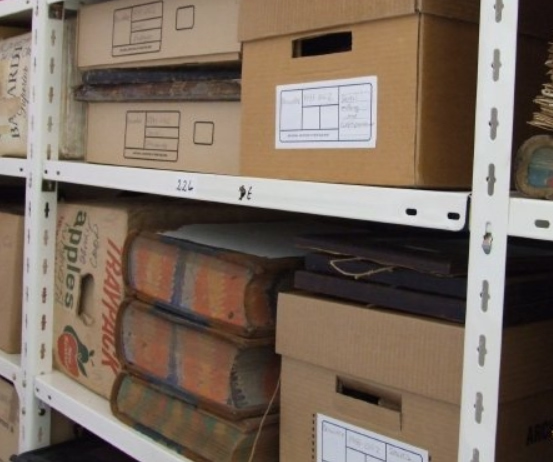
Our small team is made up of dedicated volunteers who always endeavour to do their best - but please help us by being patient and by planning ahead so that we can help you as best as we can.
Please be advised that enquiries by email will be the easiest way that we can help you.
Beavertown
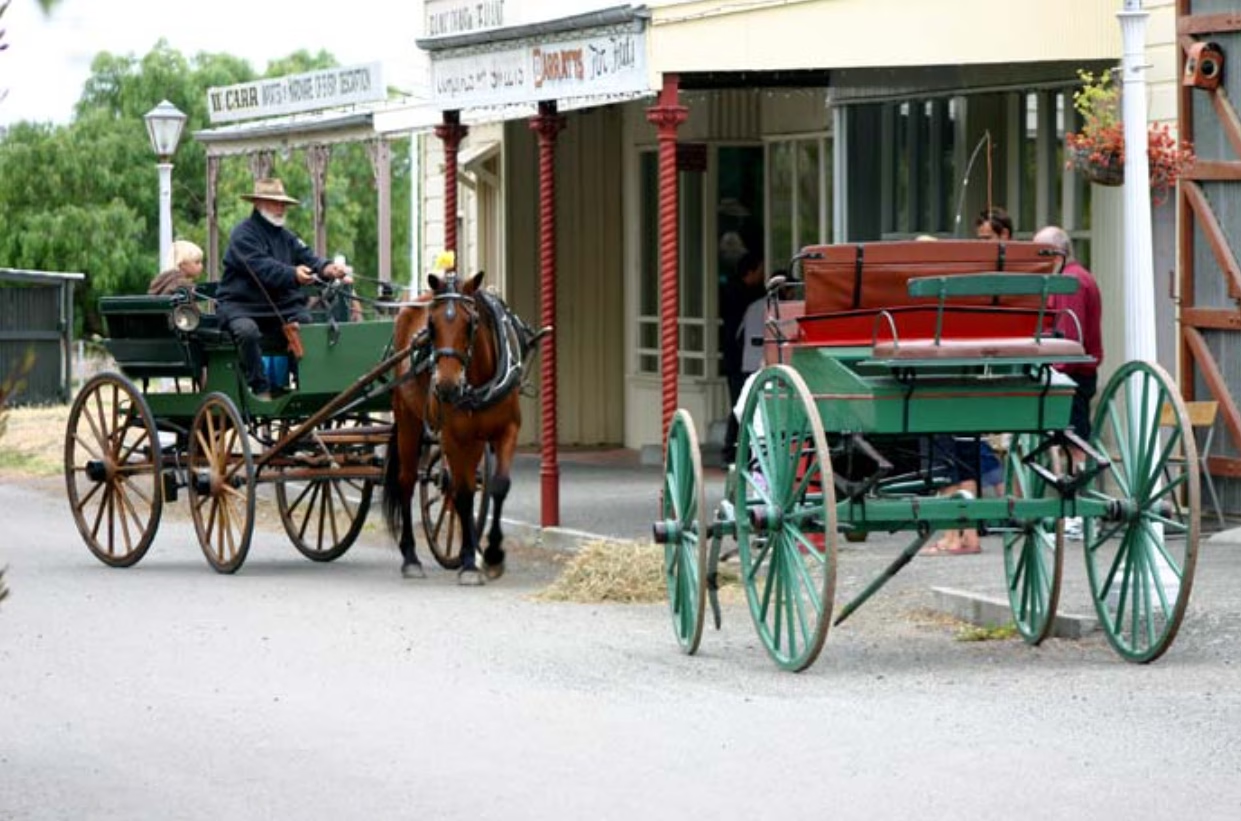
Beavertown is a replica street scene based on features of Blenheim around 1900.
"The Beaver", and "Beaver Station" were early names for what is now the town of Blenheim.
The nickname originally arose from the settlement's early historical tendency to flood frequently. Constructed in the 1960s by dedicated volunteers from the Marlborough Historical Society, this village layout lets visitors view fascinating local artefacts displayed directly within heritage shop windows.
Riverlands Cob Cottage
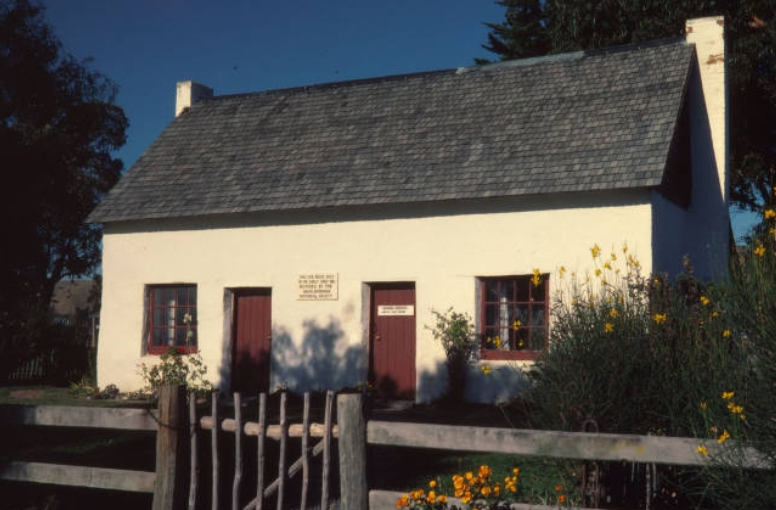
Cob Cottage is the most visited historic building in Marlborough.
It is a good example of how early Marlburians constructed dwellings in a region without a close supply of timber.
Built on the Riverlands run between 1854 and 1868 using a compacted architectural mix of clay, local earth, and tussock grass, the cottage historically served various roles as a farm dwelling, shearers' quarters, a country schoolroom, and a farm hay shed before its permanent restoration commenced in 1960.