The Vision of Norman Brayshaw
The park owes its existence to the passion and foresight of one man: Norman Brayshaw (1910 - 1980). A local farmer and avid historian, Brayshaw amassed an enormous collection of vintage agricultural machinery, tools, and historical artefacts over his lifetime. He recognised that the tools and technology that built Marlborough were rapidly disappearing, and he made it his life's work to save them from being lost forever. His collection grew so large that it needed a permanent home where it could be properly housed and displayed for the public. In 1968, the Marlborough Borough Council, recognising the value of Brayshaw's collection, established a 2.5-hectare park, which was named in his honour.
Norman Brayshaw's donation of his life's collection formed the founding heart of the park and the Marlborough Vintage Farm Machinery Society.
A Village of Volunteers: The Member Societies
The unique character of Brayshaw Park comes from the collaboration of numerous independent, volunteer-run societies that have made the park their home. This creates a varied visitor experience, where different aspects of history are actively demonstrated and preserved by experts.
The Marlborough Provincial Museum, which the Marlborough Historical Society administrates and runs along with its events and facilities on behalf of the community, serves as the anchor institution of the park. It houses the region's most significant collection of archives, photographs, and artefacts, covering everything from the Wairau Bar to the modern wine industry. The park is also home to a number of other key organisations. The Marlborough Vintage Farm Machinery Society, the original society of the park, maintains and operates an internationally recognised collection of tractors, traction engines, and implements. The Vintage Car Club of NZ (Marlborough Branch) showcases classic and vintage vehicles, while the Marlborough Associated Modellers captivate visitors with extensive model train layouts and radio-controlled boats on their dedicated pond. Other societies include the Marlborough Rock and Mineral Club and the Blenheim Riverside Railway, which runs a narrow-gauge railway from the park along the Taylor River, offering a different perspective of Blenheim.
The Wairau Bar Artefacts
The Marlborough Provincial Museum, located within the park grounds, holds the Wairau Bar exhibition. This display contains items from one of the earliest known human settlement sites in New Zealand. These artefacts provide a direct link to early Polynesian arrival and settlement patterns in the South Island. The museum archives also store thousands of historical photographs and documents, making it a primary resource for local genealogical and historical study.
The Marlborough Associated Modellers
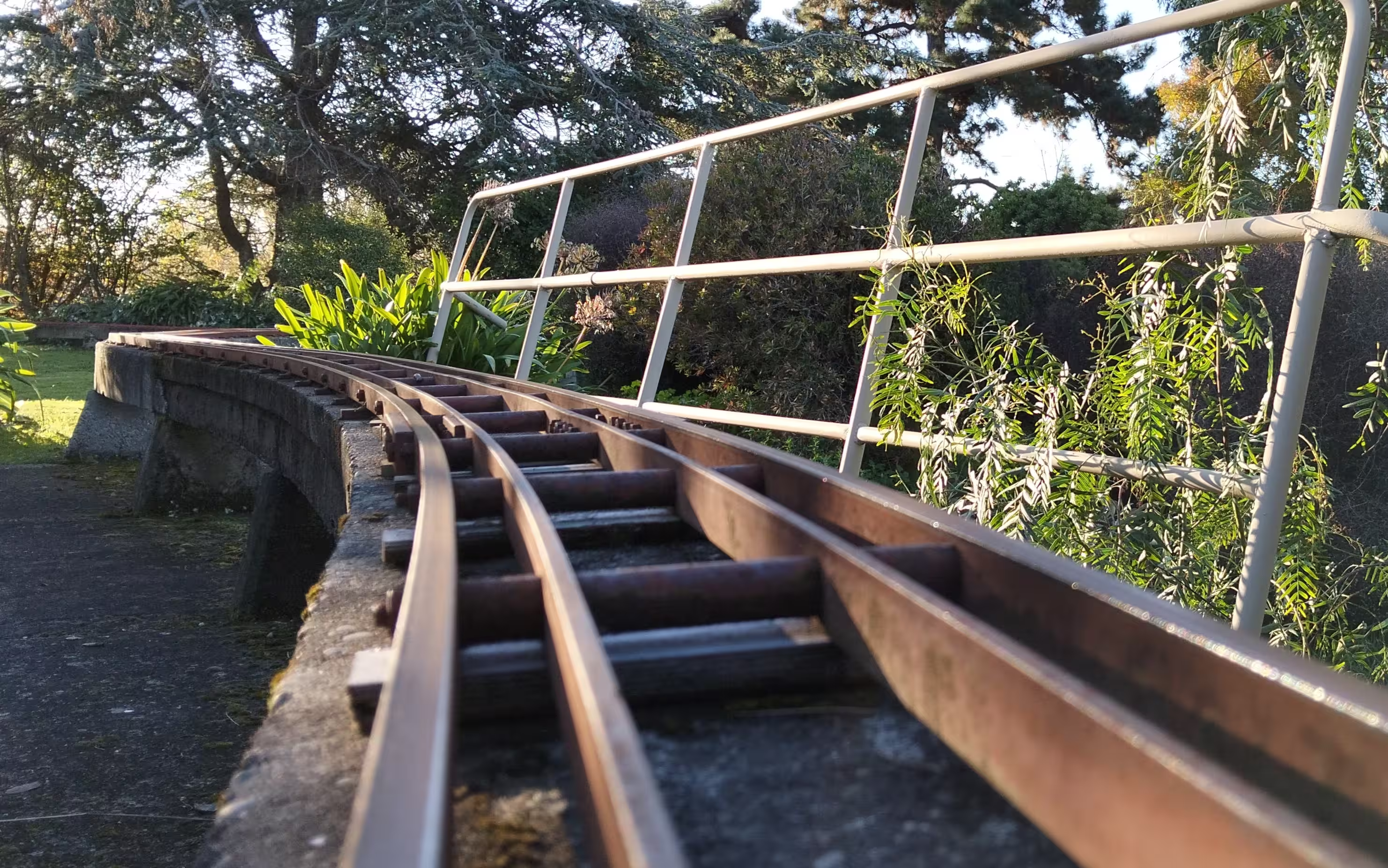
The Marlborough Associated Modellers bring the details of miniature transport engineering to the park. Operating from their dedicated club rooms and outdoor facilities, the society builds and runs extensive model railway layouts across multiple scales. These tracking systems operate alongside a purpose-built pond used for sailing radio-controlled boats. The scale tracks and working train replicas offer a highly detailed, moving demonstration of rail history that remains a core volunteer attraction inside the park grounds.
Beavertown and Heritage Preservation
Complementing the society sheds and museum is a collection of heritage buildings that provide a glimpse into Marlborough's architectural past. The park features 'Beavertown', a replica streetscape of early Blenheim (originally known as 'The Beaver'), which gives a sense of the colonial town's atmosphere.
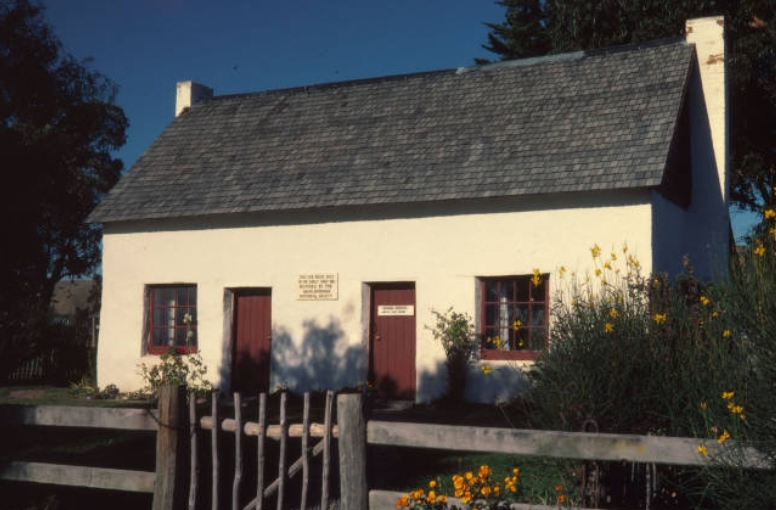
More significantly, the park has become a safe haven for genuine historic buildings that have been relocated for their preservation. The Marlborough Historical Society also extends its care far beyond the park limits. A prime example is the Riverlands Cob Cottage. This original mid-19th-century cottage, built from locally sourced clay and straw, sits in Riverlands, several kilometres away from the museum. It stands as a clear sign of the ingenuity of Marlborough's first European settlers. Whether through the relocated structures inside the park or the preservation of sites like the cob cottage off-site, the society ensures these architectural stories survive.